As Michigan continues to address housing affordability, much of the conversation has focused—rightly—on increasing housing supply. Policymakers across the state are working to streamline permitting, increase production, and make it easier to build the homes residents need.
But there is another, immediate way to reduce costs for households:
Lowering the cost of living in the homes people already occupy.
The Hidden Driver of Housing Costs
For many families, housing costs go beyond rent or a mortgage payment. Utility bills are a growing concern, especially as households navigate rising costs for groceries, child care, and other essentials.
What often goes unnoticed is that many of these costs are driven not just by energy prices—but by the homes themselves.
Drafty windows, outdated heating systems, and poor insulation can quietly waste energy every day—leading to higher monthly bills and less comfortable living conditions.
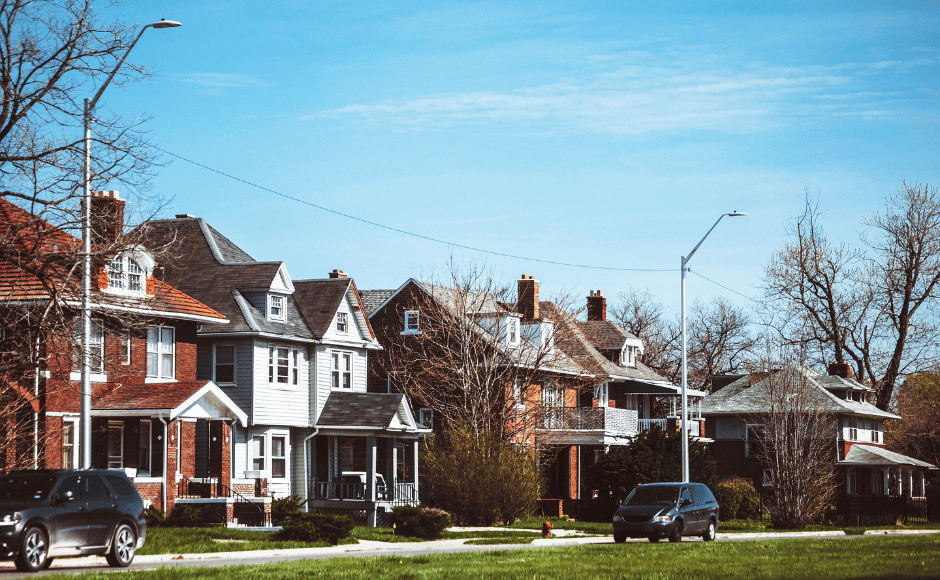
Michigan has one of the oldest housing stocks in the country. Roughly half of homes in the state are more than 50 years old, built at a time when energy efficiency was not a priority.
A Major Opportunity to Lower Costs
The opportunity to improve these homes—and reduce costs—is substantial.
Analysis from national experts shows that cost-effective energy improvements could:
- Reduce energy use in Michigan homes by approximately 25%
- Deliver about $3.2 billion in annual utility bill savings
- Save the average household around $714 per year
These are not abstract benefits. They translate directly into lower monthly expenses for families across the state.
Simple Upgrades, Meaningful Impact
Many of the most effective solutions are straightforward:
- Air sealing and insulation
- Modern heating and cooling systems
- Energy-efficient upgrades that improve comfort and performance
These improvements not only reduce energy use but also make homes healthier, more comfortable, and more resilient.
Supporting Local Jobs and Michigan’s Economy
Home energy upgrades also deliver strong economic benefits.
These projects are completed by local contractors—HVAC technicians, electricians, and builders—supporting skilled trades jobs that cannot be outsourced. The dollars invested in these improvements circulate within local communities, strengthening small businesses and workforce development.
The Real Barrier: Access
The challenge is not a lack of solutions—it’s access.
While many energy improvements pay for themselves over time, upfront costs can prevent households from moving forward.
That’s where financing, incentives, and trusted contractor networks play a critical role.
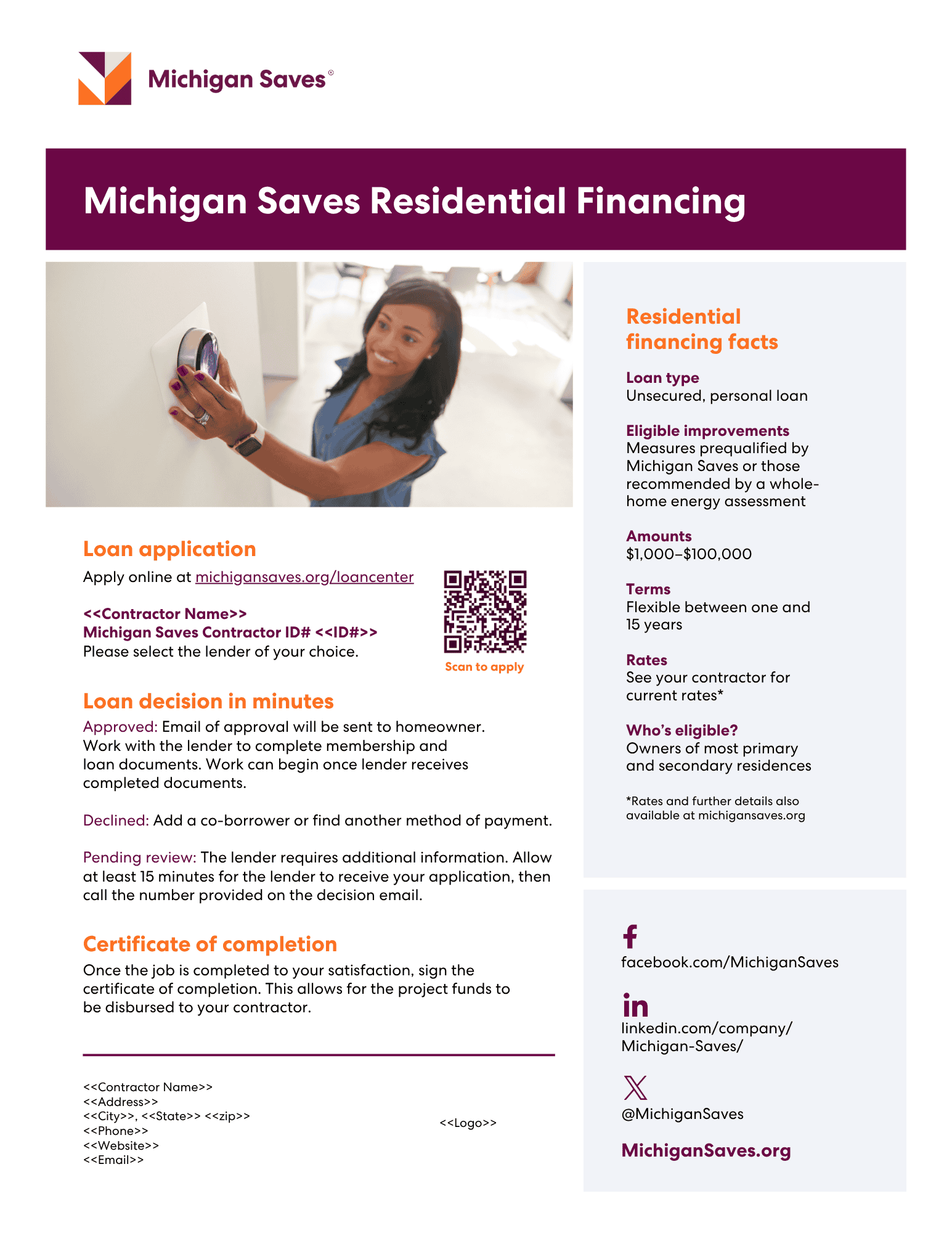
Michigan Saves partners with credit unions and lenders to provide accessible financing options, helping households make improvements without taking on unaffordable upfront costs. But the need across Michigan’s housing stock is far greater.
A Practical Path to Affordability
If Michigan is serious about addressing affordability, we must also focus on improving the homes people already live in.
Every attic sealed.
Every outdated furnace replaced.
Every home upgraded to waste less energy.
These are practical, immediate steps that can lower monthly costs for families across the state.
Improving homes may not always dominate headlines—but it is one of the fastest and most cost-effective ways to make everyday life more affordable.
Read the Original Op-Ed
This article is adapted from an op-ed originally published in The Detroit News.
Read the original op-ed (subscription may be required)