
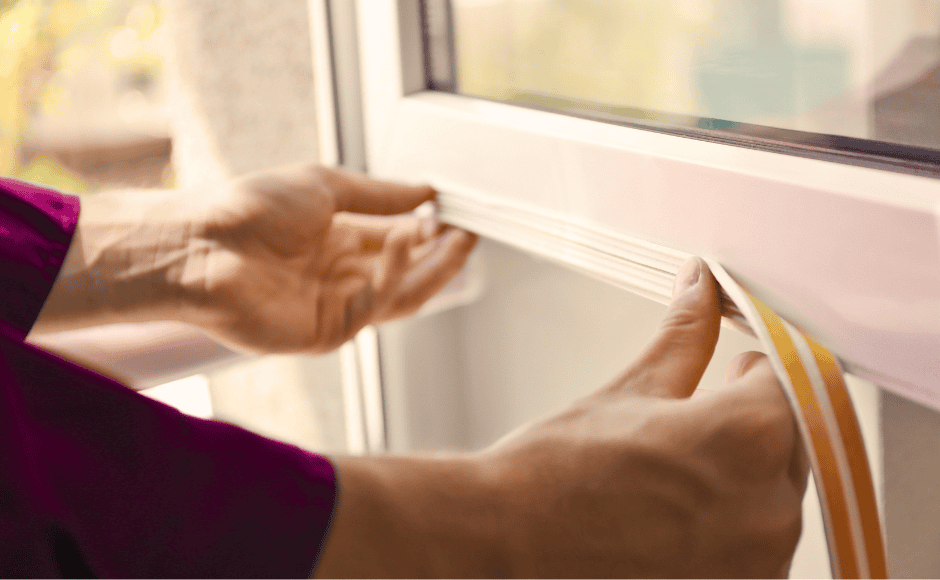
If you live in a region of the U.S. that sees extreme cold in the winter, like Michigan, your home may be more susceptible to heat loss and even potential damage than those in mild climates. That means Michiganders need to get serious about getting ready for winter. Here’s a checklist to help you winterize your home.
Why you need to winterize your home each fall
Autumn gives you time to spot and fix minor issues before cold weather hits. It’s much cheaper to fix small leaks or worn insulation in the fall than experience major heat loss in January. Proper winterization also helps cut down on your heating bill and avoid expensive crises like frozen pipes or roof leaks. Repairs of this kind are also more difficult to do in freezing or sub-freezing temperatures, so a little preparation now can go a long way toward preventing considerable expense and hassle.
Home exterior tasks
Inspect and clean gutters and downspouts
Remove leaves, debris, and blockages so melting snow or heavy rain can flow away from your roof. Clean gutters prevent overflow that can damage siding or foundations.
Check the roof, siding, and flashing
Look for missing or damaged shingles, cracks, or loose flashing. Fixing minor roof defects now is far cheaper than repairing water damage later.
Seal leaks around door and window exteriors
Use weatherstripping, caulking, door sweeps, or foam seals to close gaps. Even modest drafts can let out heat and raise energy bills.
Turn off or winterize outdoor water sources
Drain hoses, shut off exterior faucets, and protect spigots with covers or insulation. These measures help prevent frozen or burst pipes.
Trim back trees and shrubs
Branches that hang over rooflines or close to windows can damage structures in heavy snow or icy wind. Trimming them back prevents this. It can also clear room for sunlight to help warm your home (and who doesn’t like free heat?).
Interior and systems tasks
Service heating systems
Get your HVAC or furnace system checked by a professional each fall before you begin turning on the heat. Replace your filters regularly. Dirty filters or broken parts force heaters to run longer and potentially shorten the life of the system.
Check insulation
Attics and ceilings often lose the most heat, and a telltale sign of escaping heat is icicles forming along the eaves of your home. Make sure the attic, ceilings, crawlspaces, and any exposed walls are insulated to recommended levels for your climate.
Weatherproof interior draft areas
Check for gaps around baseboards, outlets, pipes, wires, and mail slots. Use outlet gaskets, foam, or caulk to seal them. Also consider thermal curtains or shades to reduce heat loss through your windows.
Reverse ceiling fan direction
Many ceiling fans have a switch that changes the rotational direction. Set them to spin clockwise in winter at low speed so that warm air near the ceiling is pushed back down to help even out heating and use less energy.
Check alarms, detectors, and ventilation
Ensure that smoke and carbon monoxide detectors are working and replace the batteries once per year. Check that vents aren’t blocked. If you have a wood-burning fireplace, do chimney inspections or cleanings as well. These tasks help you avoid safety hazards and ensure systems run efficiently.
Invest in real energy savings with Michigan Saves
Michigan Saves makes it easier for families to reduce energy bills all year long with affordable financing options for energy-saving upgrades. From energy efficient windows to updated HVAC systems, our authorized contractors can help make your home more comfortable and cost efficient.
Whether you’re looking to save money, conserve energy, or both, Michigan Saves has solutions tailored for Michigan families. Find an authorized Michigan contractor near you to get started!