When homeowners think about making their homes more comfortable in summer and winter, insulation usually gets most of the attention. But air sealing is often the missing piece.
Even a well-insulated home can feel drafty or uncomfortable when hidden gaps allow heated or cooled air to escape and outdoor air to enter. Sealing air leaks and adding insulation can work together to reduce energy waste, lower heating and cooling costs, and improve comfort throughout the home.
What Is Air Sealing?
Air sealing is the process of identifying and closing gaps, cracks and openings where air can leak into or out of your home. Individual leaks may seem small, but together, they can have a significant effect on your home’s comfort and energy use.
Common sources of air leaks include:
- Windows and doors
- Openings around plumbing and wiring
- Attic access points
- Recessed lighting
- Ductwork
- Chimneys and vents
- Basement and crawl space connections
Many of these leaks are hidden behind walls, inside attics or in areas homeowners rarely inspect, making them difficult to identify without a professional assessment.
The Comfort Problems Homeowners Notice First
Uneven temperatures are among the most noticeable signs of air leakage. You may feel cold drafts in the winter, experience hot spots in the summer or have rooms that never seem to reach a comfortable temperature.
Air leaks can also make heating and cooling systems work harder to maintain the temperature set on the thermostat. As a result, your home may feel less comfortable even as your energy use increases.
Air sealing helps reduce drafts and keep indoor temperatures more consistent. After leaks are sealed, homeowners may notice that previously uncomfortable rooms feel more consistent with the rest of the home.
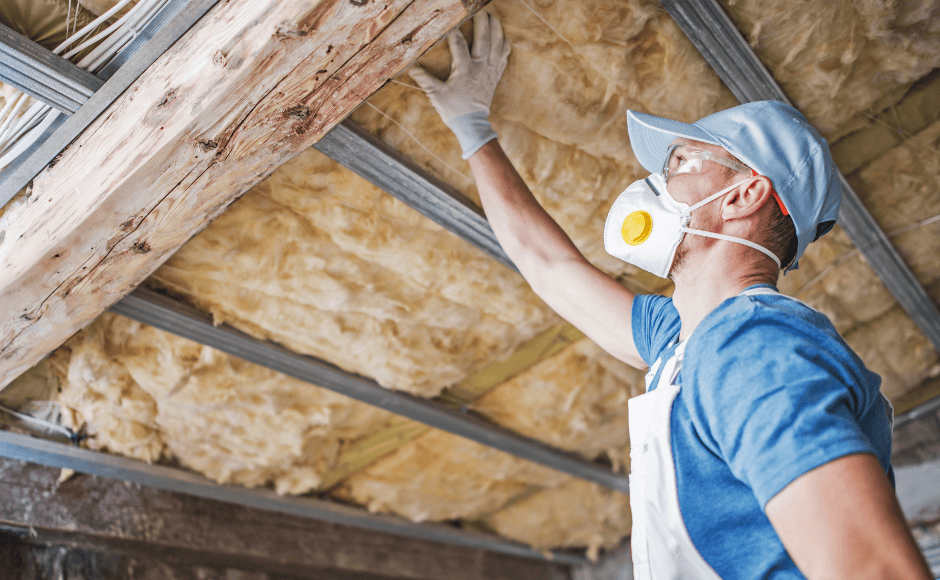
Attics are especially important because they are often a major source of air leakage. As warm air moves upward through a home, it can escape through gaps around attic access points, wiring, plumbing and other openings. Sealing these areas can help reduce energy loss and improve comfort throughout the house.
Why Insulation Alone Is Not Enough
Insulation and air sealing work together, but they serve different purposes. Insulation slows the transfer of heat, while air sealing limits uncontrolled air movement.
When air moves through or around insulation, the insulation may not perform as effectively. Adding insulation without first addressing air leaks can therefore limit the benefits of the upgrade. Air sealing helps insulation perform as intended and supports a more energy efficient home.
Together, air sealing and insulation can make a home more comfortable, quieter and easier to heat and cool. For many homeowners, addressing hidden air leaks can make a noticeable difference.
Affordable Financing for Weatherization Improvements
Michigan homeowners can use Michigan Saves financing for eligible energy improvements, including air sealing, insulation, energy efficient windows, heat pumps and HVAC systems.
Michigan Saves works with a network of authorized contractors and lenders to help homeowners make energy improvements without paying the entire project cost up front. Financing options, rates and terms vary based on the lender, borrower and project.
Find a Michigan Saves Authorized Contractor
A Michigan Saves authorized contractor can evaluate your home, recommend eligible improvements and help you understand available financing options.
Use the Michigan Saves Find a Contractor tool to connect with an authorized contractor serving your area and take the next step toward a more comfortable, energy efficient home.